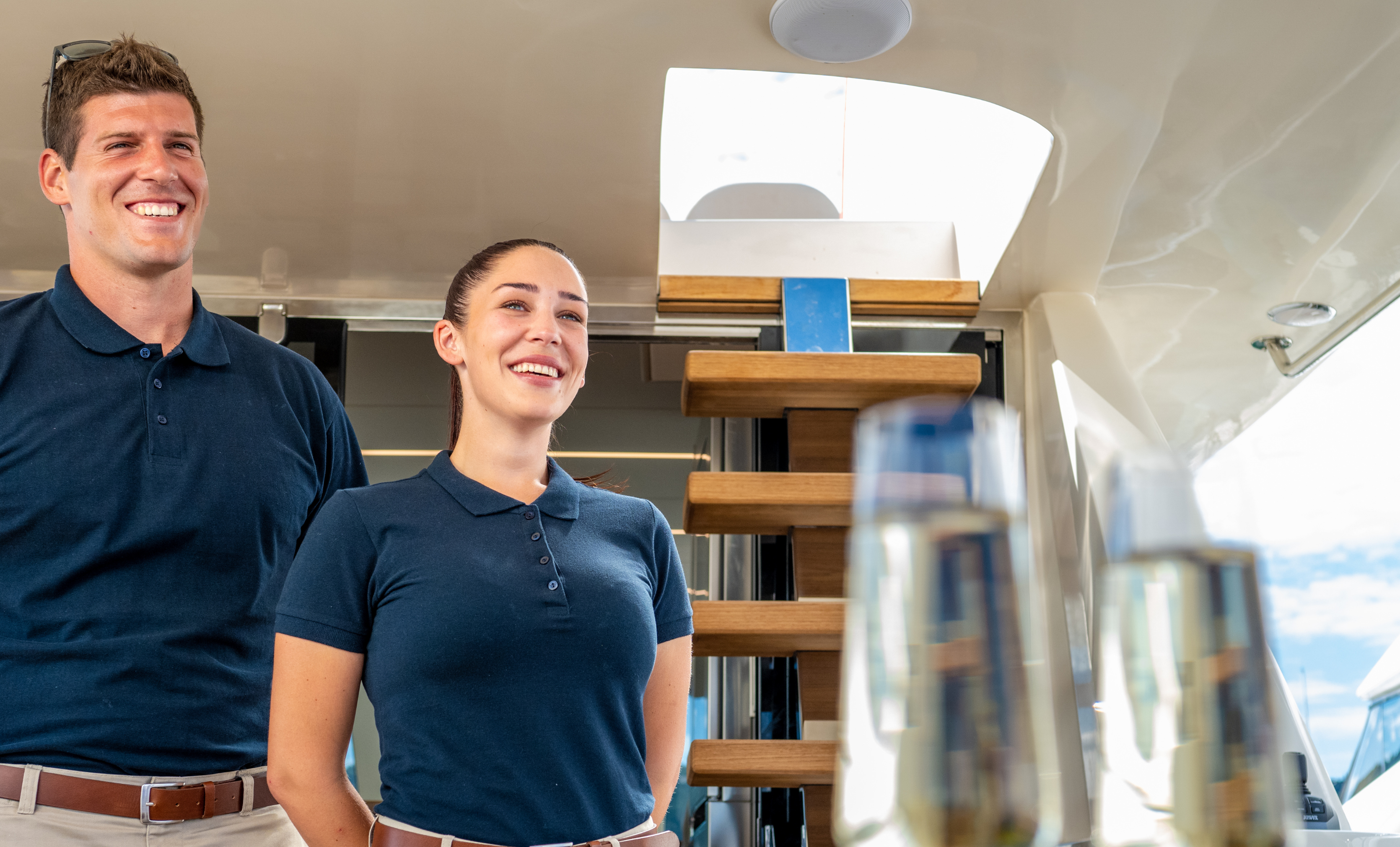
You do not need a sailing background to work on a superyacht. Most green crew start as a deckhand or a steward/stewardess, and what gets them hired is preparation: the right certificates, a yacht-style CV, being in the right port at the right time, and an attitude captains trust. This guide walks you through each step for the 2026 seasons.
Step 1: Pick your entry-level role
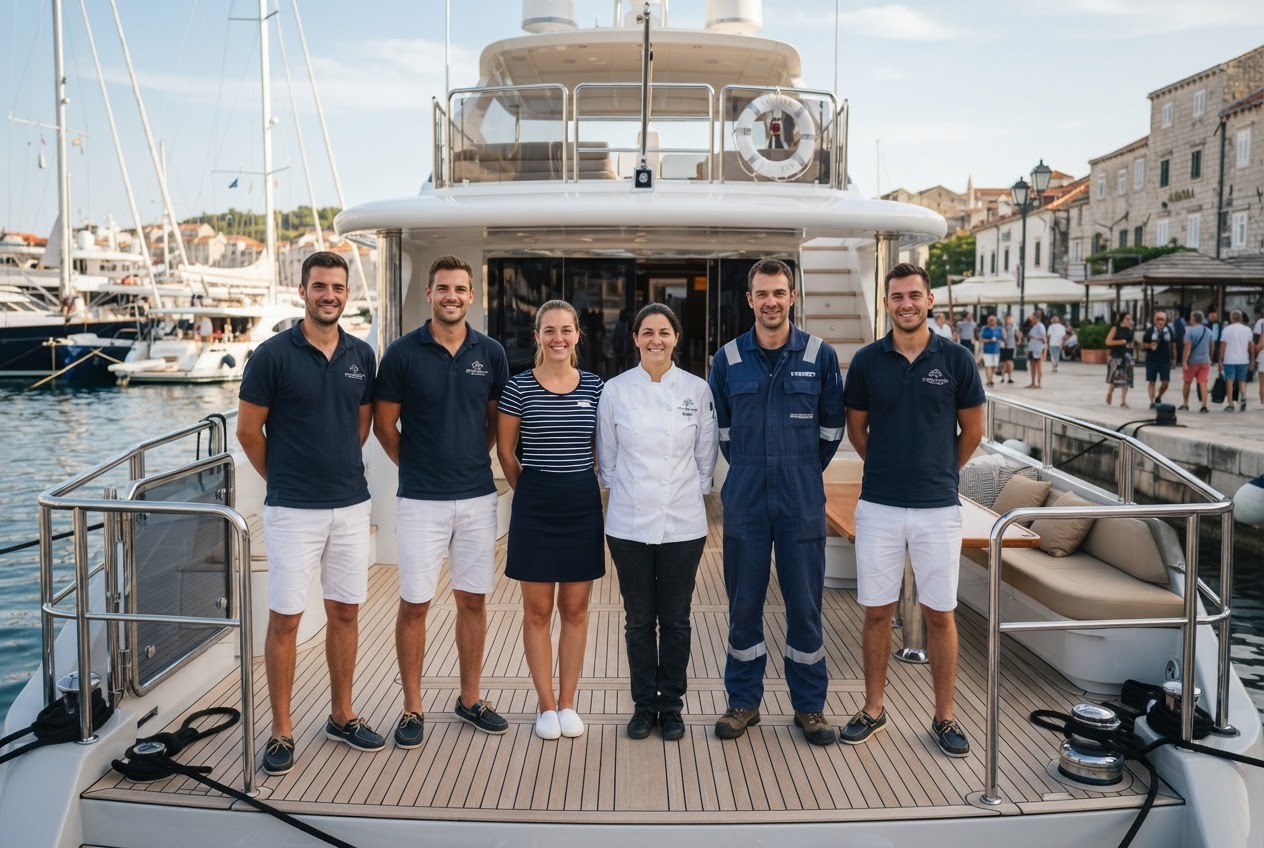
Yachts are privately owned or chartered vessels, not cruise ships. Crews are small, so every person is visible to the captain and the guests. Entry-level crew usually join one of two departments:
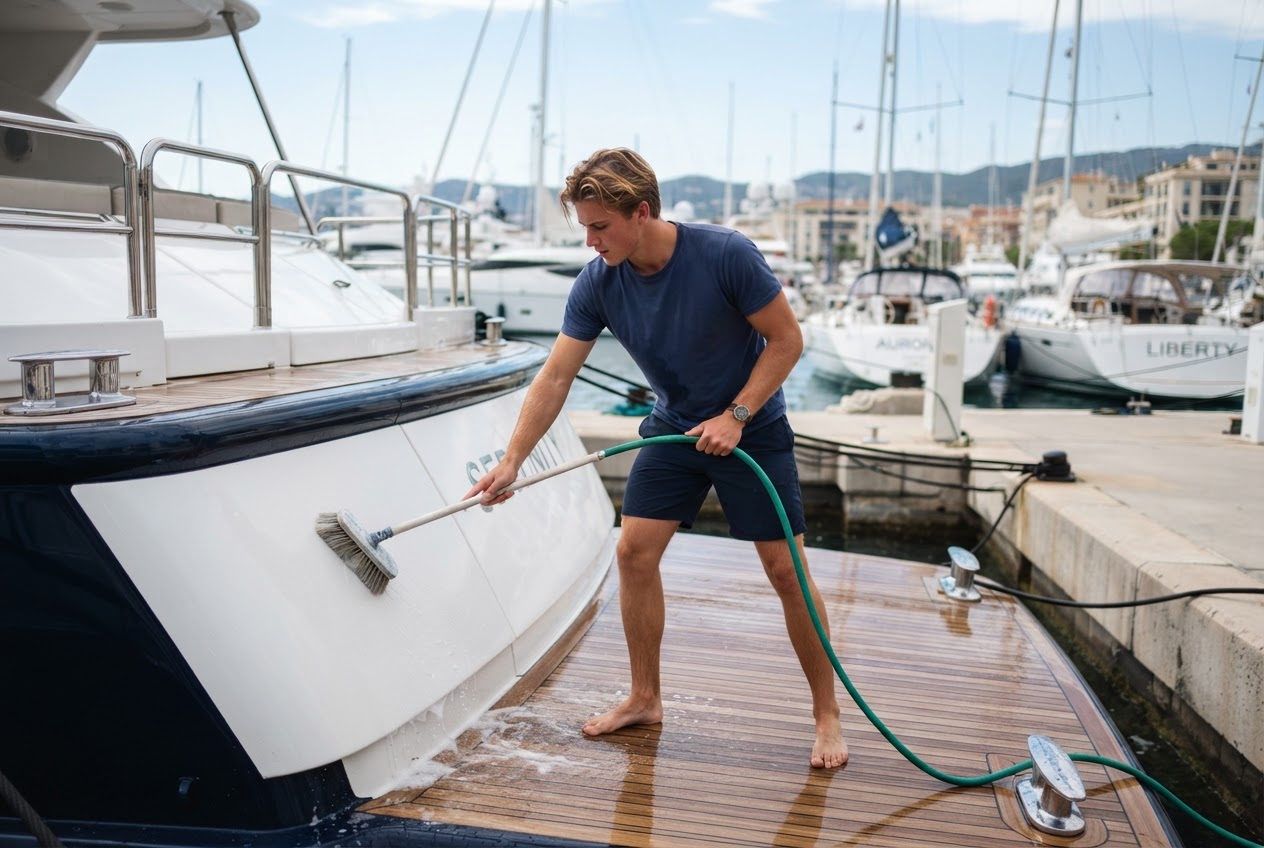
- Deckhand: washing and maintaining the exterior, handling lines when docking, driving tenders, running watersports. Suits people who are practical, physically fit and comfortable outdoors. Experience with boats, carpentry or watersports instruction helps.
- Steward or stewardess (interior): guest service, housekeeping, laundry, table setting and bartending. Suits people from hotels, restaurants, bars or nannying. Silver service, wine knowledge and an eye for detail stand out.
Chef and engineer roles usually require professional qualifications before you step on board. Choose one department to aim for: a CV that says “I will do anything” reads as “I do not know what I want”.
Step 2: Get your STCW and ENG1 before you apply
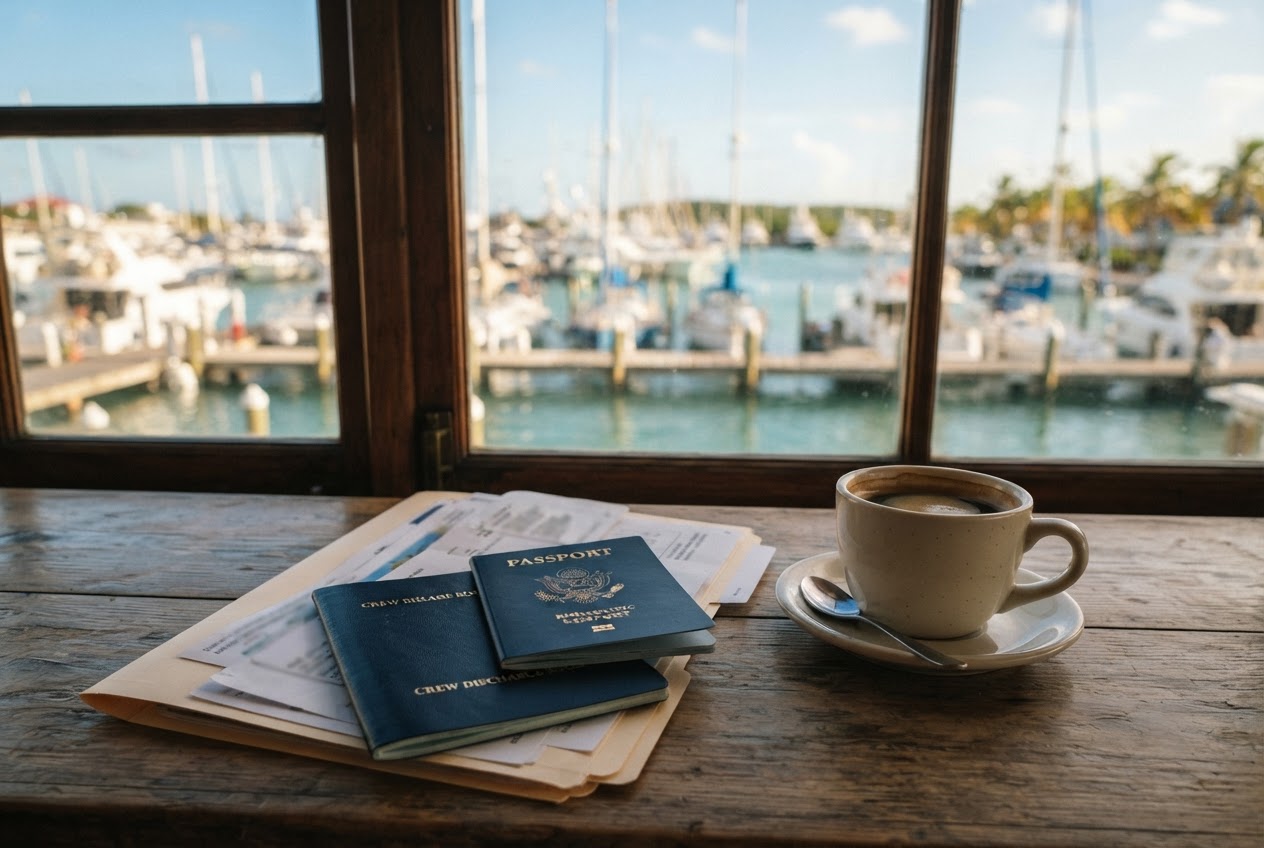
Two documents are the minimum for almost every yacht job:
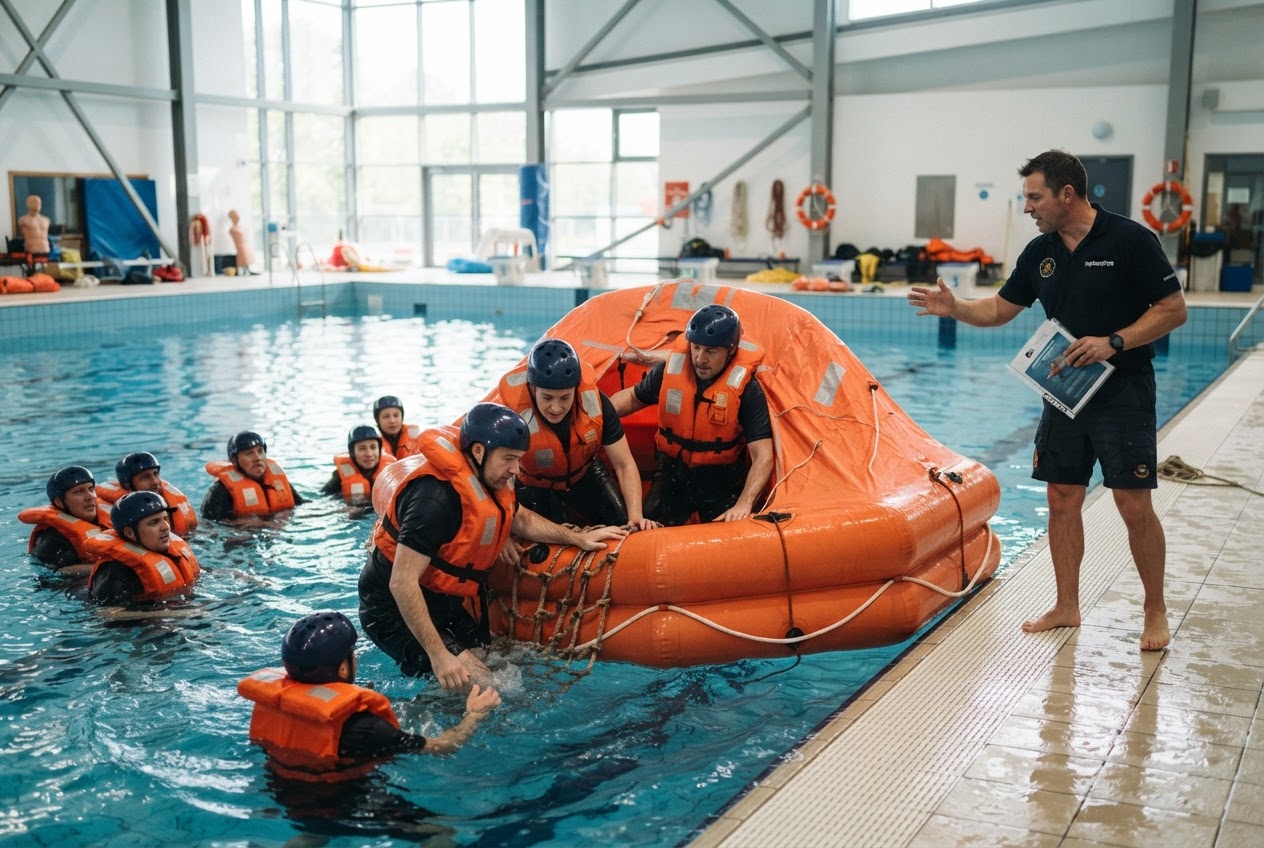
- STCW Basic Safety Training: a roughly week-long course covering personal survival, fire fighting, first aid, personal safety and social responsibility, plus Proficiency in Security Awareness. It has to be refreshed every five years. It is offered in yachting hubs such as Antibes, Palma, Fort Lauderdale, Cape Town and the UK.
- ENG1 seafarer medical: a medical certificate issued by an approved doctor. Many yachts accept equivalent seafarer medicals from other flag states, but ENG1 is the one most widely recognised in yachting.
Book the medical first: if a health issue rules you out, you will know before paying for the course. Useful extras for deckhands are a powerboat or tender driving certificate; for interior crew, a food hygiene certificate or a short interior training course.
Step 3: Write a yacht CV, not a normal CV
Captains and crew agents scan dozens of CVs a day. A yacht CV follows its own conventions:
- A professional photo at the top: smiling, well groomed, in a plain white or navy polo shirt. No sunglasses, no selfies, no party photos.
- Key details up front: nationality, date of birth, visas you hold, languages, whether you have tattoos that show in uniform, whether you smoke, and your current location.
- Certificates with expiry dates.
- Relevant experience first: hospitality, service, maritime, maintenance or childcare, written as achievements, not duties.
- Skills and hobbies that matter on board: diving, watersports, first aid, cocktails, flower arranging, fitness.
- References with phone numbers that actually answer.
Keep it to one or two pages, save it as a PDF named with your name and role, and write a short cover email for every application. Captains can tell a copy-paste message from a mile away. For the full section-by-section layout, read how to write a yacht CV.
Step 4: Register with crew agents and job boards
Most yacht jobs are filled through crew agencies, online job boards and personal recommendations. Create profiles on the main crew platforms (for example Yotspot, Crewbay, Bluewater and The Crew Network), keep them updated, and register in person with agencies when you arrive in a yachting hub. Join the local crew Facebook groups for the port you are in: daywork and last-minute positions are often posted there first.
Step 5: Go where the yachts are and dockwalk
Green crew are rarely hired from home. The industry still runs on face-to-face impressions, so be in a hub before the season starts:
- Mediterranean season: hiring builds from March to May for summer, mainly in Antibes, Nice, Palma and Barcelona. Turkey’s marinas in Bodrum, Göcek, Marmaris and Antalya also hire for the summer charter season.
- Caribbean and US season: yachts prepare from October to December, with Fort Lauderdale as the main hub.
Dockwalking means walking the marina early in the morning, neatly dressed, with printed CVs, and politely asking crew at the passerelle whether they need daywork. Respect any “no crew enquiries” signs, keep it brief, and never step aboard uninvited.
How much money will you need while you look? Work it out in two minutes with our free yacht crew cost calculator: certificates, flight and crew house beds in Antibes, Palma or Fort Lauderdale, and how fast your first salary pays it back.
Step 6: Treat daywork as your interview
Daywork is short-term paid work, often washing down, polishing or cleaning before a trip. It is the most common route to a first permanent job: crew who work hard, keep a good attitude and fit in with the team are often asked to stay. Arrive early, ask questions, never be seen on your phone, and finish every task properly.
What captains are really looking for
- A tidy appearance and a clean social media presence
- A can-do attitude, even for the dullest job on board
- Discretion about guests and owners, always
- Punctuality and zero drama in close living quarters
- Signs you will stay: captains prefer crew who commit to a full season or longer
Read our guide to the unwritten rules of yacht etiquette before your first daywork.
Frequently asked questions
Can I get a yacht job with no experience at all?
Yes. Most crew started green. Transferable skills from hospitality, service, maintenance or watersports count, and certificates plus daywork make up for the rest.
Do I need to live in a yachting hub to get hired?
For a first job it helps a lot. Being available for daywork and interviews at short notice is often what separates you from other green crew. Budget for a few weeks of accommodation while you look.
What should I pack for my first season?
Keep it light: crew cabins are small. See our crew packing checklist, and check what yacht jobs pay before you negotiate.
Get the yacht job application toolkit
Our Yacht Job Application Kit gives you yacht CV templates for deckhands and stewardesses, email and message scripts for captains and crew agents, interview questions and a four-week job hunt plan, for $29. Want to start free? Get our Dockwalking Checklist by subscribing below.




Leave a Reply