A yacht stewardess (or steward) looks after the interior of a superyacht and the people in it: cleaning and presenting guest cabins and living areas, doing the laundry, and serving food and drinks to the owner and guests to a five-star standard. It is the main entry-level job in the interior department, it needs no degree, and in 2026 junior stews typically earn around €2,500–€3,500 a month in base salary, with accommodation and food on board included.
This guide explains what the job really involves day to day, how the interior team is structured, what you need before you apply and how to move up. If you are still deciding between deck and interior, start with our overview of every yacht crew position and where beginners start.
What does a yacht stewardess do?
The interior team is responsible for everything inside the yacht that guests see and touch. According to Dockwalk’s career guide for stews, the interior handles beverage and meal service, housekeeping and laundry during owner and charter trips, and because stews spend the most time with guests, they also pass guest requests on to the chef, the deck team and the captain.
The core duties fall into four groups:
- Housekeeping: cleaning and detailing guest cabins, bathrooms, salons and dining areas; making beds; caring for delicate surfaces such as marble, high-gloss wood, leather and silverware; and keeping crew areas tidy too.
- Laundry: washing, stain treatment, ironing and folding guest clothing, bed linen, towels and crew uniforms. On larger yachts this is a full-time role of its own.
- Service: setting tables, serving breakfast, lunch and dinner, making drinks and cocktails, serving canapés and running the bar.
- Guest care: unpacking and packing luggage, cabin turndowns in the evening, remembering preferences, arranging flowers and table décor, and helping with any request that comes up.
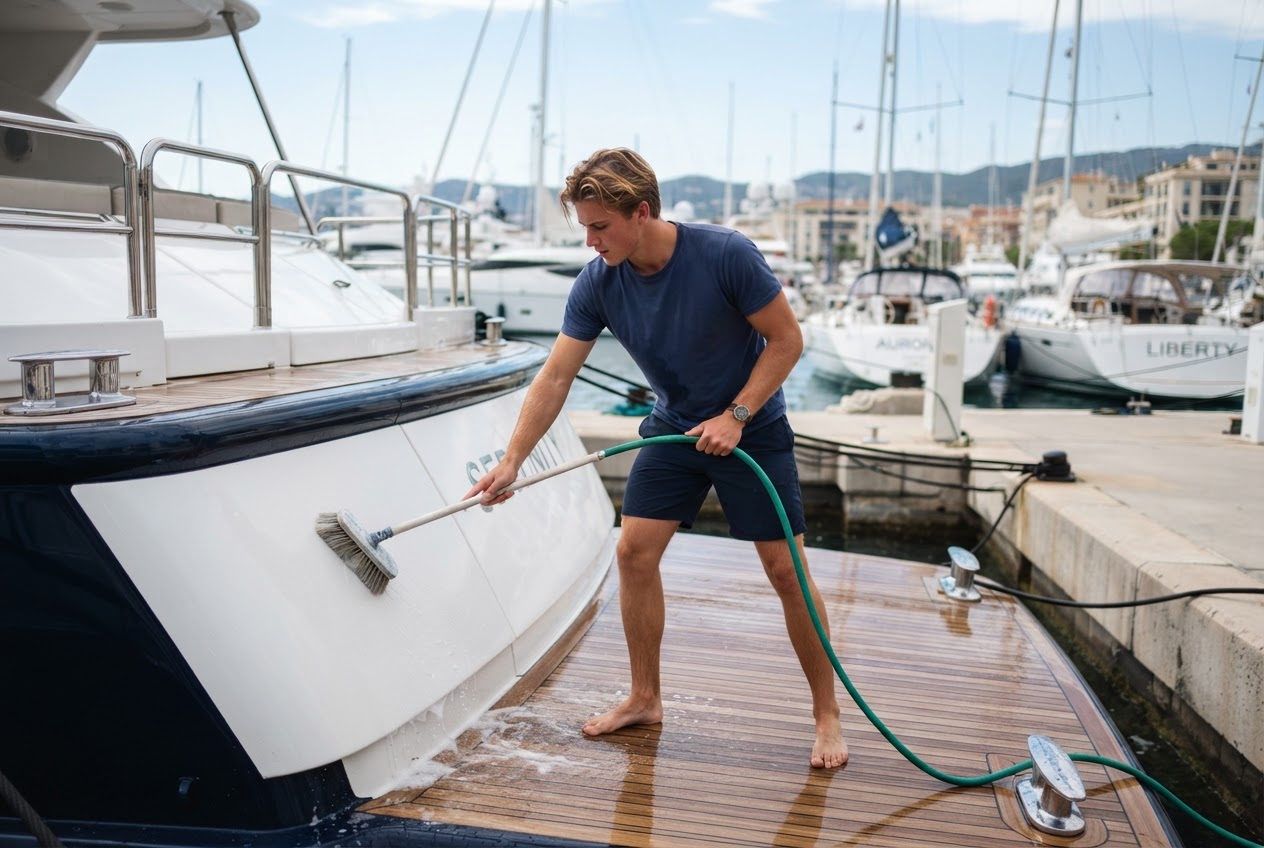
On smaller yachts the stew may also lend a hand on deck, for example with lines and fenders when docking, and take part in watches. On every yacht, each crew member also has assigned roles in emergencies and safety drills.
A typical day on charter
There is no single routine, because the day follows the guests. Dockwalk describes how a solo stew’s day on a small yacht runs from setting up and serving breakfast, through laundry and cabin service, lunch, ongoing drinks, cocktails and dinner, to evening turndowns and preparing for the next morning. With guests on board, a broad outline looks like this:
- Morning: open up the guest areas, set up and serve breakfast, then clear and start on cabins while guests are on deck or ashore.
- Midday: laundry, lunch service, keeping drinks and towels flowing on the sun deck.
- Afternoon: more housekeeping and laundry, setting up for any afternoon activity, then the evening table.
- Evening: cocktails and canapés, dinner service, cabin turndowns, returning laundry and resetting for breakfast.
On larger yachts the chief stew splits the team into shifts with a checklist for each, so you will not be on duty for every one of those steps. Days are long during a charter, but your hours are regulated: under the Maritime Labour Convention, seafarers must get at least 10 hours of rest in any 24-hour period and 77 hours in any seven days.
When there are no guests, the pace changes. Off-charter time is for deep cleaning, inventory, maintenance and provisioning, alongside the daily crew laundry and crew mess.
How the interior team is structured
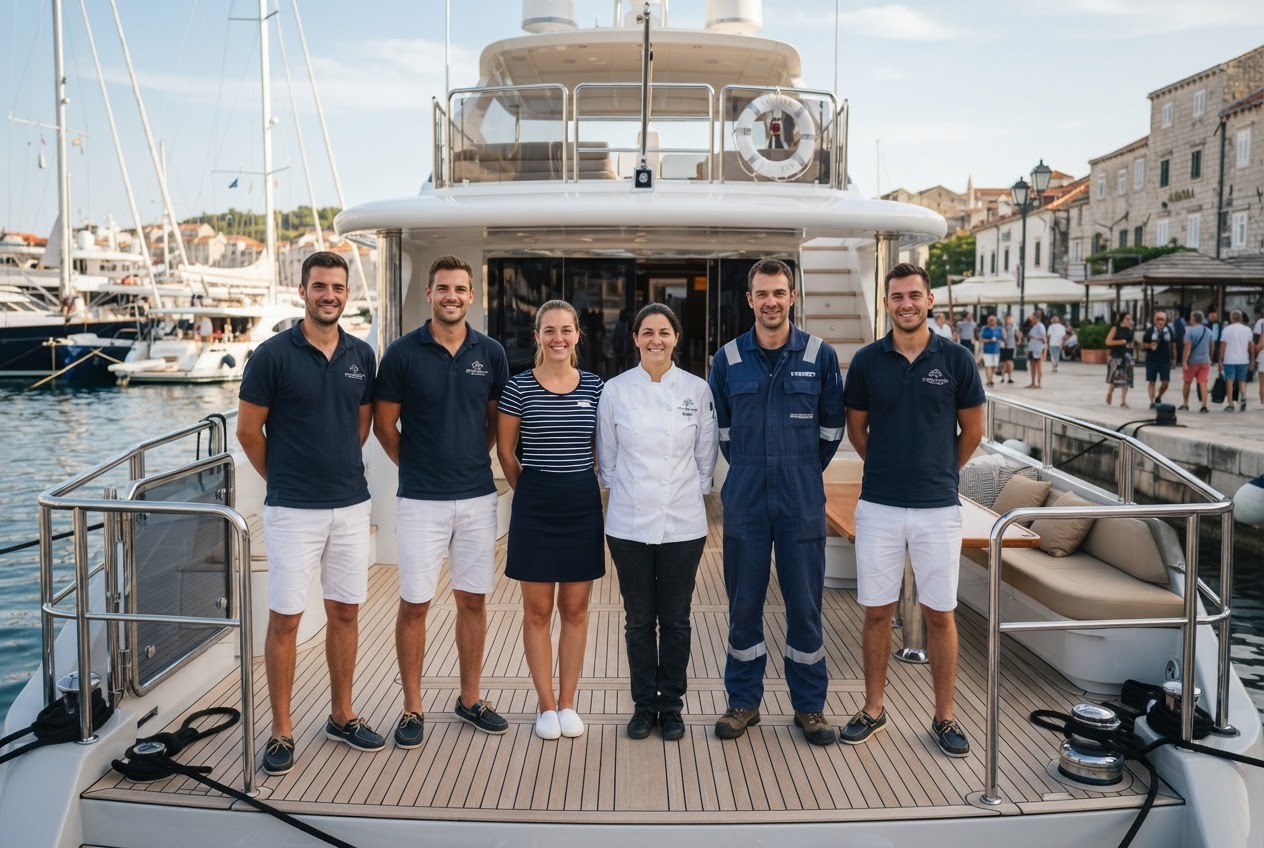
The interior team grows with the size of the yacht:
- Small yachts: one sole stew does everything and usually reports directly to the captain.
- Mid-size yachts: a chief stew leads a second and third (junior) stew. Juniors report to the chief stew, or to the second stew on bigger teams.
- Large yachts: housekeeping, laundry and service each have their own head of department, sometimes with a purser or interior manager above them. A housekeeping stew reports to the head of housekeeping, for example.
Dockwalk notes that a junior joining a yacht of roughly 45–50 m or more will usually start in laundry or housekeeping rather than front-of-house service. That is normal, and it is where you learn the standards the rest of the job is built on.
What you need to get hired
Mandatory certificates
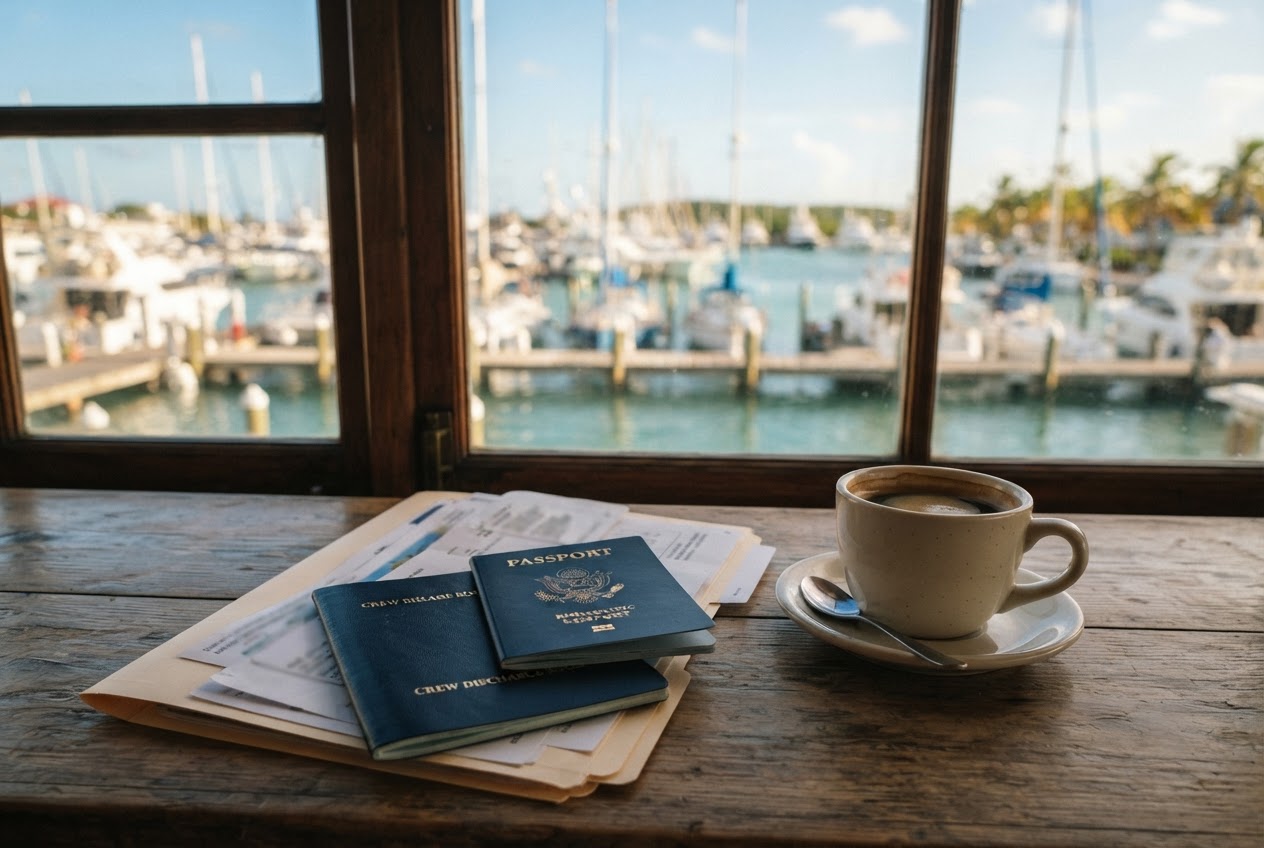
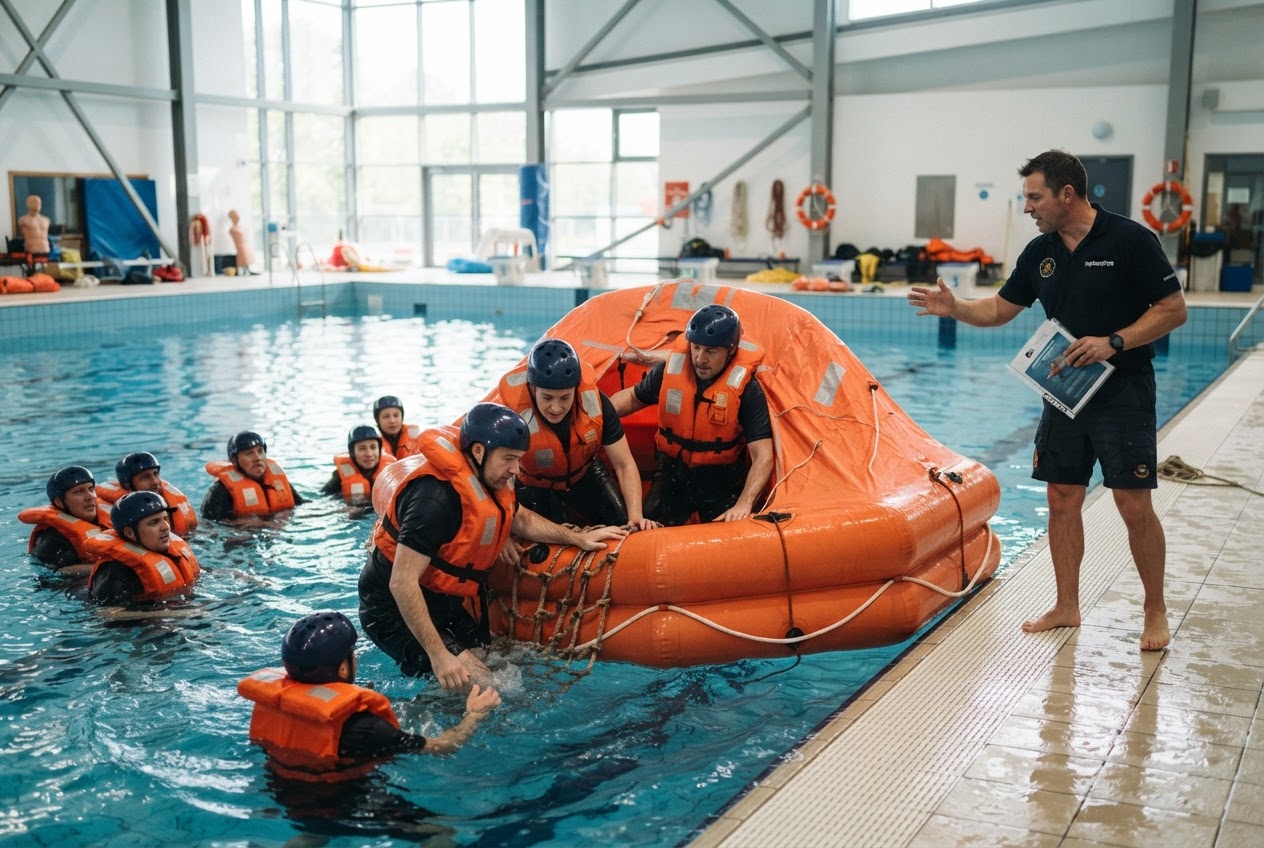
Every crew member needs STCW basic safety training and a seafarer medical, usually the ENG1. Some yachts also ask for a food safety and hygiene certificate. Many job adverts for stews also list a B1/B2 visa when the yacht cruises in the US; see our B1/B2 visa guide for yacht crew.
Experience and skills that count
Yacht experience is not required for a junior role. Agencies quoted by Dockwalk say green candidates are considered when they bring solid hospitality experience: high-end restaurants and hotels, events, hotel housekeeping, boutique B&Bs, cruise ships or river cruises. Other transferable backgrounds include retail, customer service and flower arranging.
The personal qualities matter as much as the CV: attention to detail, stamina, discretion, a calm and friendly manner with guests, and the ability to take direction and live in close quarters with a small team.
Optional courses
Interior courses, silver service, wine (WSET) or barista training can help you stand out, but they are not essential and many chief stews prefer to train new crew on the job. Spend your money on the mandatory certificates first, then add extras once you know which direction you want to grow in.
How much does a yacht stewardess earn?
Pay depends mainly on yacht size, rank, experience and whether the yacht does charters. Indicative 2026 monthly base salaries from crew training company Quarterdeck (September 2026):
| Role | Monthly base salary |
|---|---|
| Junior steward/stewardess | €2,500–€3,500 |
| Experienced or second stew | €3,000–€5,000 |
| Chief steward/stewardess | €4,000–€8,500+ |
| Purser or senior interior role | €5,500–€8,500+ |
Recruitment agency Bespoke Crew, in a guide updated in November 2026, puts junior stews at €2,200–€2,800 on 30–50 m yachts and €2,800–€3,500 on yachts of 60 m and above, and says first contracts often sit around €2,300. On charter yachts, guests usually leave a tip that is shared among the crew, but tips are never guaranteed, so plan your budget on base salary alone. Our yacht crew salary guide breaks pay down by yacht size, and the tipping guide explains how charter tips work.
Career path: from junior stew to chief stew and beyond
The interior ladder usually runs junior (third) stew, second stew, chief stew, then purser, head of service or interior manager on the largest yachts. Large yachts also have specialist routes such as head of housekeeping, laundry lead or spa and wellness roles. Progress comes from good references, consecutive seasons on the same yacht, and growing responsibility for things like inventory, provisioning and training juniors.
Some stews also move into combined roles, such as stew/deckhand on smaller yachts or stew/cook, which can be a good way to get hired on a yacht with a small crew.
How to land your first stewardess job
- Get your STCW and ENG1 done before you travel to a yachting hub, so you can join immediately.
- Write a one-page yacht CV that puts your hospitality, housekeeping and service experience first. Our yacht CV guide shows the layout captains and chief stews expect.
- Register with crew agencies and apply on job boards, and be clear that you want interior roles.
- Be where the yachts are at the right time of year. Our season calendar explains when to be in the Mediterranean, the US or the Caribbean.
- Take daywork. Many interior jobs start with a few days of cleaning or polishing. See how daywork works and how to turn it into a job.
- Accept your first good offer, even if it is in laundry. A season with a strong reference is worth more than holding out for the perfect role.
If you have never worked on a yacht before, read how to get a job on a yacht with no experience for the full step-by-step plan.
Frequently asked questions
Do you need experience to become a yacht stewardess?
No yacht experience is needed for a junior role, but land-based hospitality, housekeeping or customer service experience makes a big difference to your chances.
Can men work as yacht stewards?
Yes. The job title is often written “steward/ess” because it is open to everyone, and the duties are the same.
What is the hardest part of the job?
Long days during charters, the very high standard of detail expected, and living and working with the same small team in a confined space. Rest-hour rules apply, but busy charter weeks are still physically demanding.
What is the difference between a stewardess and a chief stewardess?
A stewardess carries out housekeeping, laundry and service. The chief stew manages the interior team, plans service, handles inventory and budgets, and is the main contact for the owner or charter guests about their stay.
Ready to apply for interior jobs? The Yacht Job Application Kit gives you two yacht CV templates and a 10-page Application Playbook so your hospitality experience reads the way chief stews want to see it. Heading to a marina to look for work? Grab our free Dockwalking Checklist first.


Leave a Reply