Getting your first yacht job costs money before it pays any. You need certificates, a flight to a yachting hub and somewhere to sleep while you dockwalk. This free calculator adds it all up for your role and hub, and shows how quickly your first salary pays it back.
Your first season budget
Pick your role and hub. Every number below is editable, so you can swap in the real quotes you get.
Edit the costs
Where the default numbers come from
Every default is a starting point from a published source or a clearly labelled estimate. Prices change, so swap in the real quotes you get.
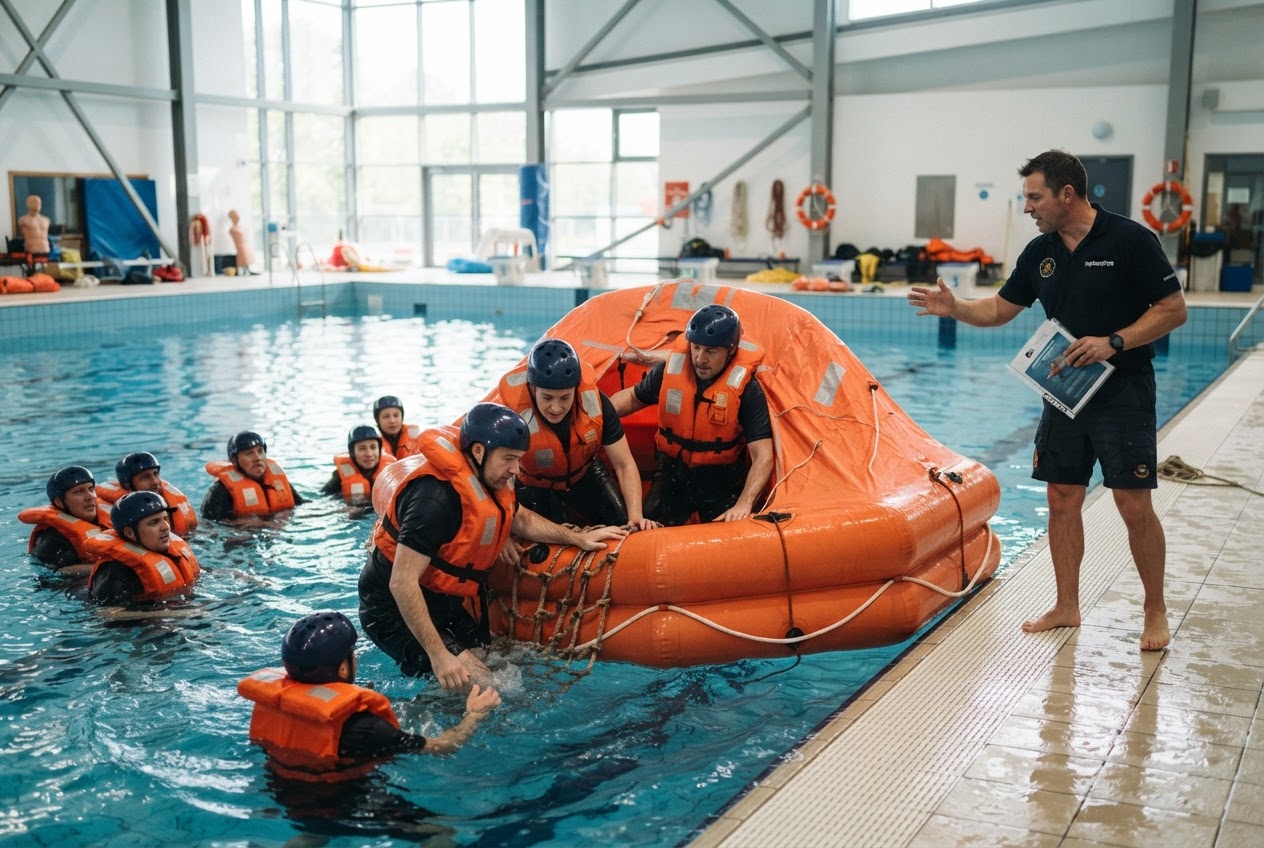
- STCW Basic Safety Training: Dockwalk reported typical costs of about £700–£1,000 in the UK and Europe and about US$900–$1,000 in the United States. We use 1,000 as the default. Read our STCW guide.
- ENG1 medical: the UK fee is set by regulation at £115. Outside the UK, approved doctors may charge differently. Read our ENG1 guide.
- Crew house beds: published rates for Antibes crew houses ranged from about €150 to €225 a week; in Palma, expect at least €20–25 a night for the most basic bed; Fort Lauderdale crew houses were quoted at about US$200–350 a week in 2021. Prices have risen since, so treat these as a floor. For any other port, choose “Another port”: the default uses the general range of about €20–60 a night that Yachting Pages gives for crew houses, and you replace it with real local prices.
- Salary: junior deckhands earn around €2,800–3,200 a month and junior stewardesses around €3,000–3,500, according to Lighthouse Careers. See our salary guide.
- Food, flights and extras: these depend on where you fly from and how you live, so the defaults are our own estimates. Change them.
Five ways to lower the cost
- Arrive at the right time. Turning up just before a hiring window shortens your job hunt, and every week saved cuts the biggest cost on the list. Check our yacht season calendar.
- Take STCW at home if it is cheaper, then fly to the hub ready to work.
- Book your ENG1 first, so you never pay for training you cannot use.
- Pick up daywork while you hunt. A few days a week can cover your bed. Read our daywork guide and check that your visa allows it.
- Start applying before you land. A ready yacht CV and agency registrations can save you a week or two.
Frequently asked questions
How much money do I need to become yacht crew?
With the default numbers, a junior deckhand who needs both certificates and job hunts in Antibes for six weeks needs about €3,400, or about €4,050 with a 20% safety margin. Your own number depends on where you train, where you fly from and how long the job hunt takes.
How long does it take to earn the money back?
With a junior salary of around €3,000 a month, that budget is paid back in about five weeks of base pay. Food and a cabin are usually provided on board, so most of your salary is yours to keep once you are hired.
Can I do daywork in Fort Lauderdale on a B1/B2 visa?
No. Casual dayworking in the United States is not legal on a B1/B2 visa, so do not count on daywork income there unless you have the right to work in the US.
Budget sorted? Make every week count. The Yacht Job Application Kit gives you yacht CV templates, email scripts for captains and crew agents, and a four-week job hunt plan. Or start free with our Dockwalking Checklist.
Sources
- Dockwalk: Everything you need to know about the STCW
- GOV.UK: Consultation report on the UK seafarer medical examination (ENG1) fee
- OnBoard: Crew accommodation in Antibes
- Yachting Pages: Yacht crew houses in Palma de Mallorca
- Yachting Pages: Crew housing and accommodation in the superyacht industry
- Showbiz Cheat Sheet: What is a crew house and what does it cost? (2021)
- Lighthouse Careers: Deckhand salary 2026
- Dockwalk: The dos and don’ts of dayworking