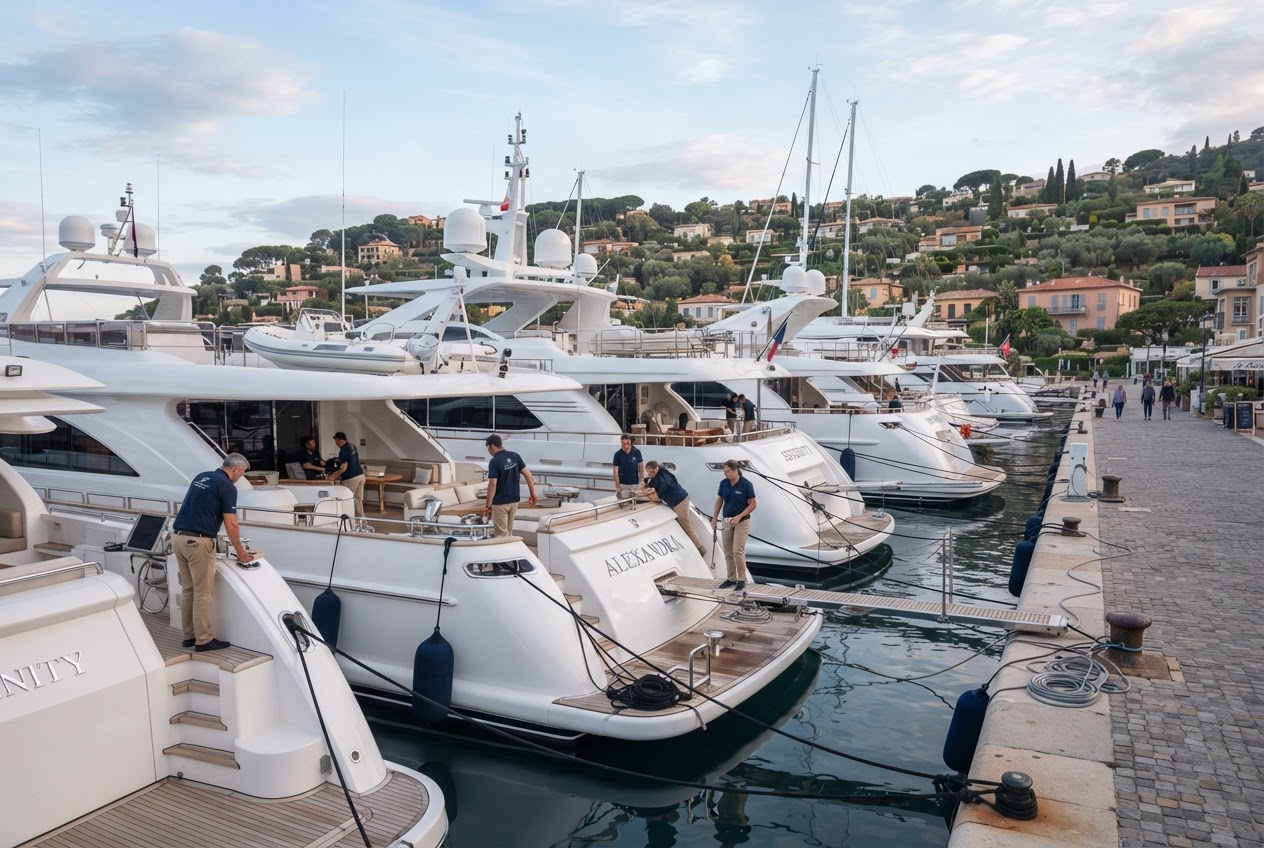
Yacht jobs are not spread evenly across the year. Captains hire in short windows just before each season starts, and they hire in a handful of ports. If you are in the right hub a few weeks before a season, your chances go up sharply. If you arrive after the yachts have left, you will mostly find closed doors. This calendar shows where the yachts are, month by month, and when to be there.
The two big seasons
Most of the superyacht fleet moves between two cruising grounds:
- Mediterranean summer season: roughly May to October, peaking in July and August. Yachts cruise the South of France, Italy, Spain, Greece and Croatia.
- Caribbean winter season: roughly late November to April, with some yachts staying into May. Antigua and St Maarten are the main bases. The Antigua Charter Yacht Show in early December is generally treated as the start of the season.
Between the two, yachts cross the Atlantic, stop in Fort Lauderdale for work and provisioning, or go into a shipyard. Each of those moments creates openings too.
Month by month: where to be
| Months | What the fleet is doing | Where to look |
|---|---|---|
| September to November | Med season winds down. Yachts that are crossing hire their Caribbean crew before they leave. Fort Lauderdale International Boat Show at the end of October. | Antibes, Palma, Fort Lauderdale |
| December | Yachts arrive in the Caribbean for the Christmas charter period. Rotational cover is needed while crew take holiday. | Antigua, St Maarten |
| January to March | Caribbean charters. Med-based yachts sit in shipyards and start planning summer crew. | Antigua, St Maarten; Med shipyards for daywork |
| February to May | The main Med hiring window. Captains fill summer positions before the first guests arrive. | Antibes, Palma |
| Late April to June | Crew changes after Antigua Sailing Week. Many yachts return to Fort Lauderdale for maintenance before summer. | Antigua, Fort Lauderdale |
| June to August | Peak Med and US Northeast season. Fewer new hires, but last-minute replacements happen. | Antibes, Palma, US Northeast |
The best time to arrive
Aim to arrive three to six weeks before a hiring window peaks, not on the day it opens. That gives you time to settle in, register with agencies, and start dockwalking and picking up daywork while the competition is still arriving.
- For a Med summer job: be in Antibes or Palma by February or March.
- For a Caribbean winter job: look while the yachts are still in the Med, in September and October. Captains usually hire before they cross.
- Missed the window? Shipyard periods and crew changes still bring daywork, and daywork is how many first jobs start.
Check your visas before you book a flight
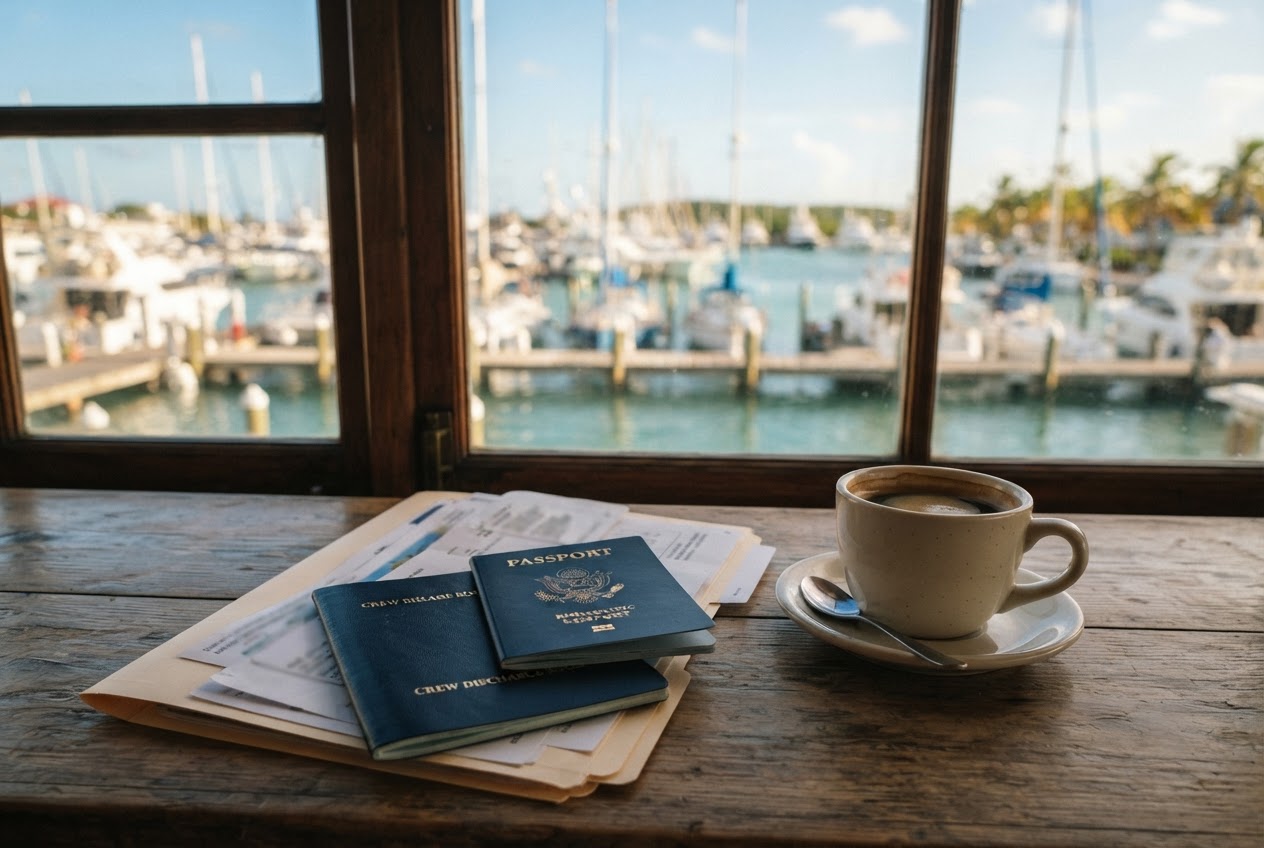
- United States: crew on foreign-flagged yachts normally use a B1/B2 visa, and many Caribbean yachts ask for one because they pass through US ports. Casual dayworking in the US is not legal on a B1/B2 visa.
- US-flagged yachts: many yachts in Fort Lauderdale fly the US flag, and those generally hire US passport holders only.
- Europe: check whether your passport lets you live and work in France or Spain, or whether you need a working holiday visa.
Rules change and depend on your nationality, so confirm with the official embassy or consulate website before you travel.
Your pre-season checklist
- Book your ENG1 medical first.
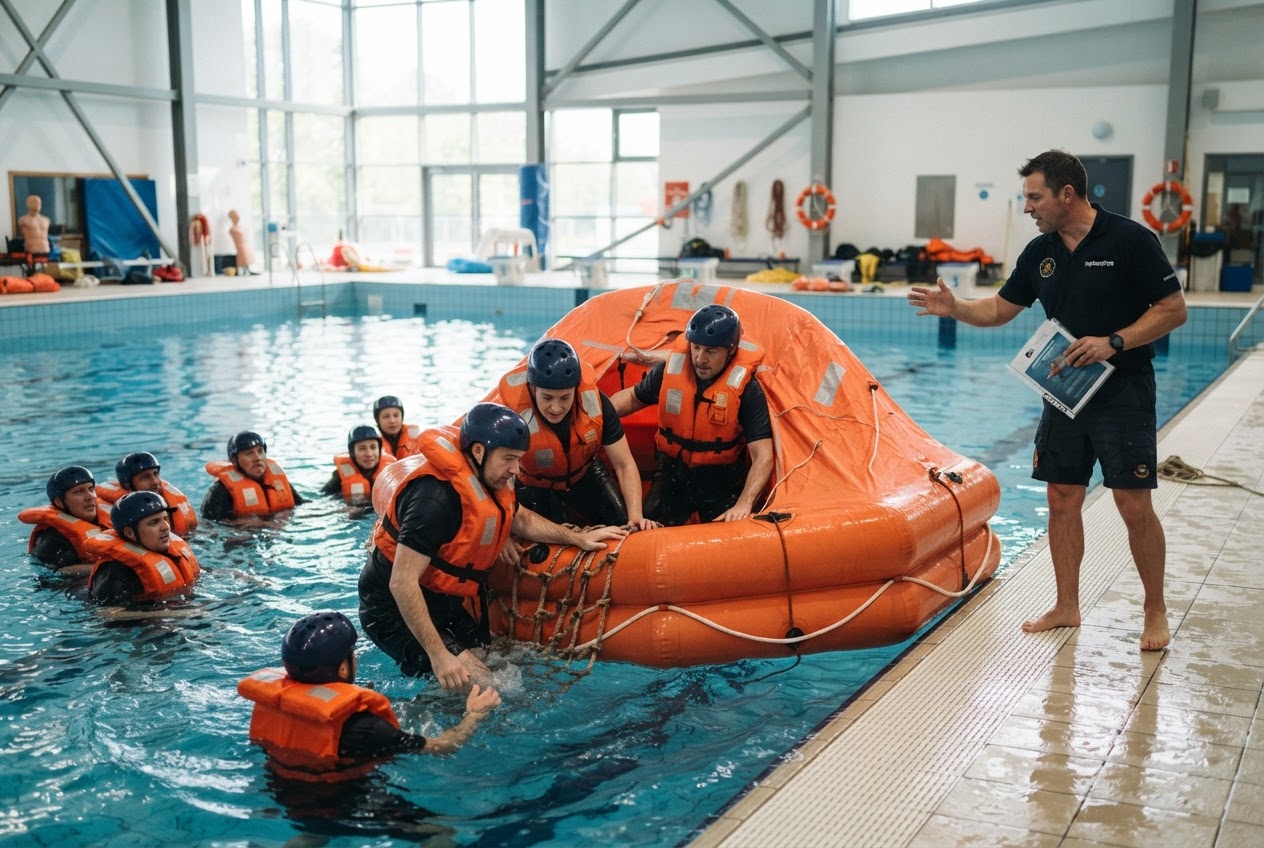
- Complete STCW Basic Safety Training.
- Write a one-page yacht CV with a professional photo.
- Save enough money for four to eight weeks of rent and food in the hub you choose.
- Arrive before the window peaks and start dockwalking the next morning.
Want the CV templates and email scripts in one place? The Yacht Job Application Kit includes deckhand and stewardess CV templates, agency and follow-up emails, the ten interview questions captains ask, and a four-week job hunt plan.

Leave a Reply