
A yacht CV is a one-page document with a professional photo, your personal details, your certificates with expiry dates, and your most relevant experience written as results. Captains and crew agents look at it for seconds before deciding, because they are hiring someone to live and work in a small team for months. Get the layout right and you look like crew before you have ever stepped on board.
Why a yacht CV is different
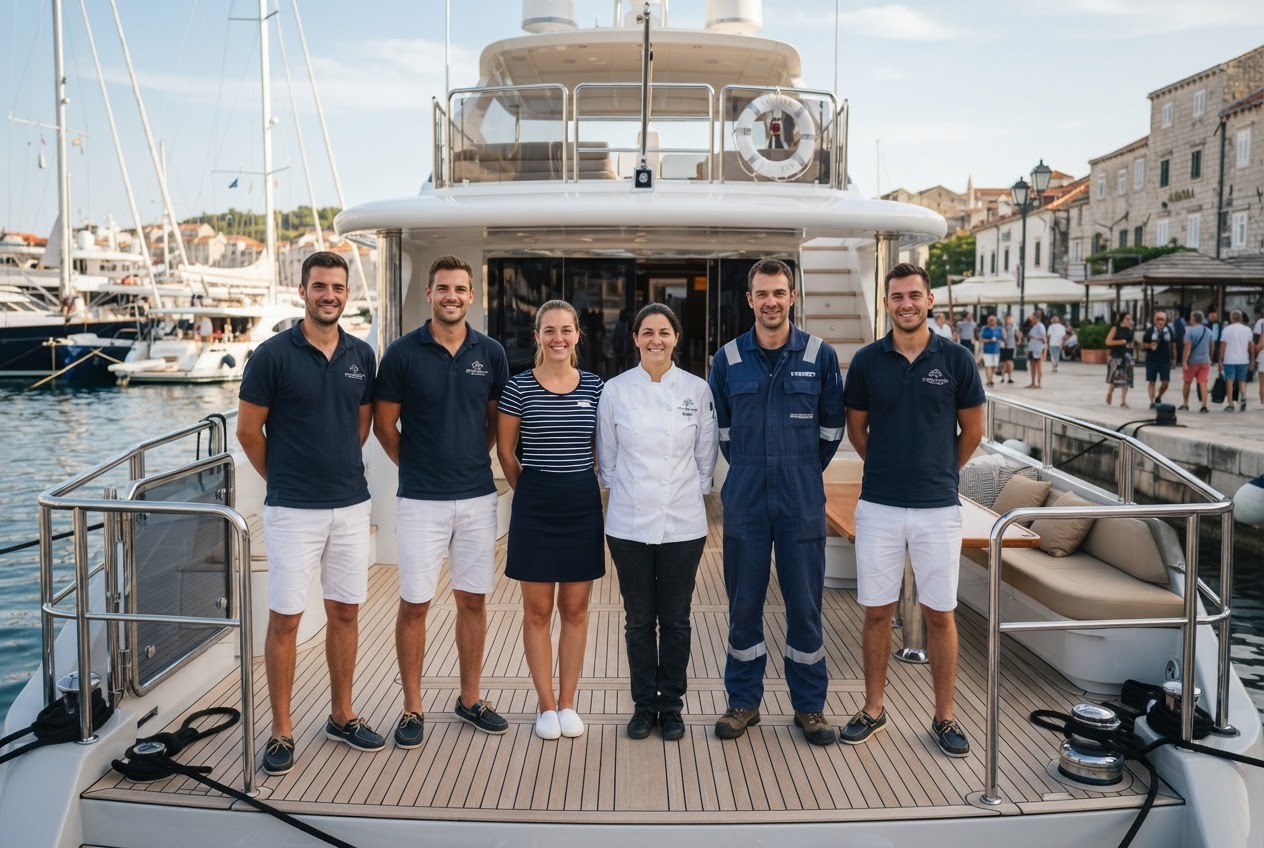
In many land-based jobs a photo, your age or your nationality would not belong on a CV. In yachting they are standard. Crew share cabins, wear a uniform, represent the owner in front of guests and travel across borders, so captains need to know who you are, whether you can legally join the yacht where it is, and whether you will fit the team. Leaving those details out does not make you look professional; it makes you look like you do not know the industry.
The yacht CV layout, section by section
1. Name, target role and contact details
Put your name in large type at the top and the exact role underneath: “Junior Deckhand” or “Junior Stewardess”, not “Yacht crew”. Add a phone number with WhatsApp and a professional email address. Captains often contact candidates by WhatsApp, so make sure the number works abroad.
2. A professional photo
Top right corner, head and shoulders, recent, well lit, smiling. Wear a plain white or navy polo shirt and stand against a plain background. No sunglasses, selfies, filters, pets, drinks or holiday shots. This photo is the first thing anyone looks at, so it is worth paying for a simple portrait if your phone shots are not good enough.
3. Personal details
A short grid next to your name with:
- Nationality and date of birth
- Visas you hold, for example Schengen access or a US B1/B2
- Languages and your level in each
- Current location and availability (“Antibes, available immediately”)
- Smoker or non-smoker, and whether you have tattoos that would show in uniform
4. A short profile
Three or four sentences: who you are, the role you want, what you bring from previous work, and what kind of position you are looking for. Write it for the job, not your whole life. For example: “Detail-focused hospitality professional with four years in five-star hotels, now starting my yachting career as a junior stewardess. Trained in silver service and wine, experienced with VIP guests and discreet by nature. Seeking a seasonal or permanent interior role.”
5. Certificates, with dates
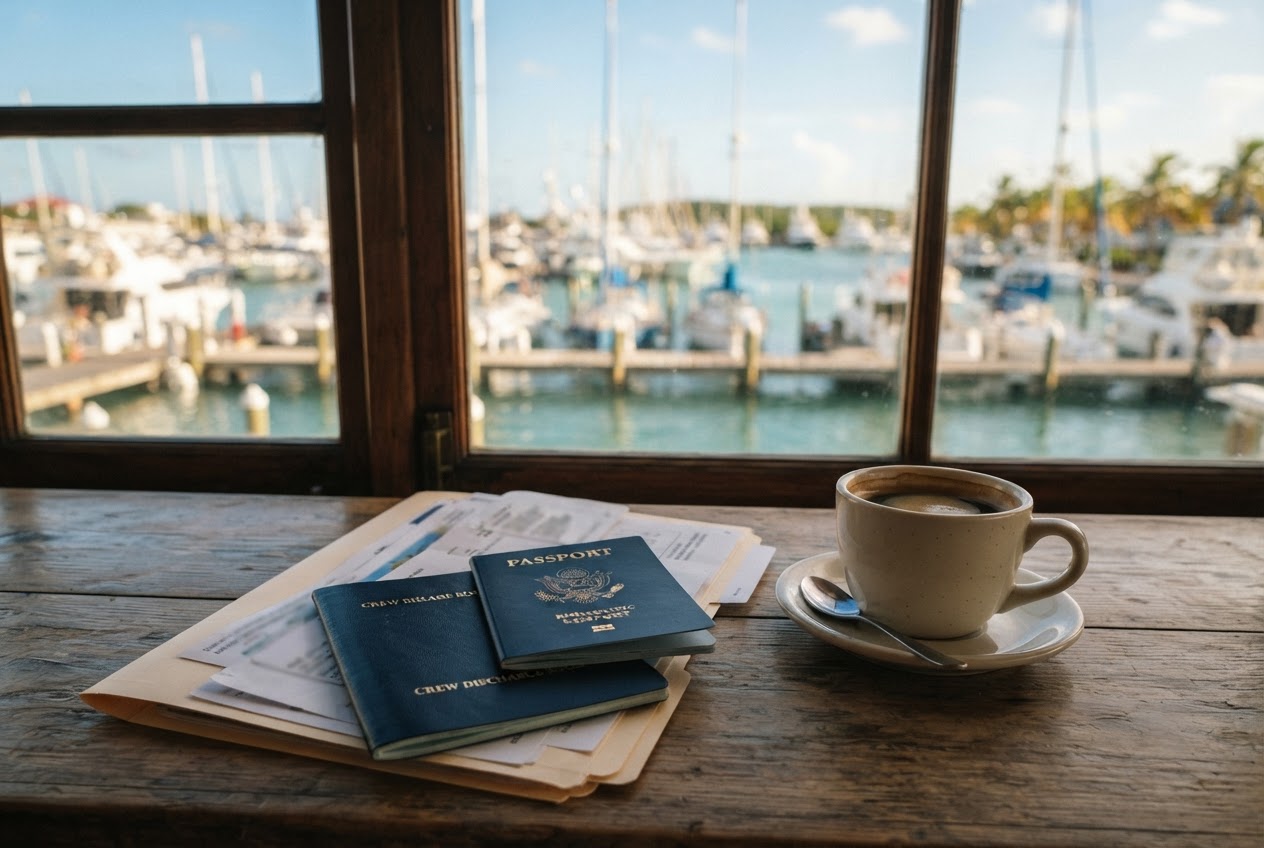
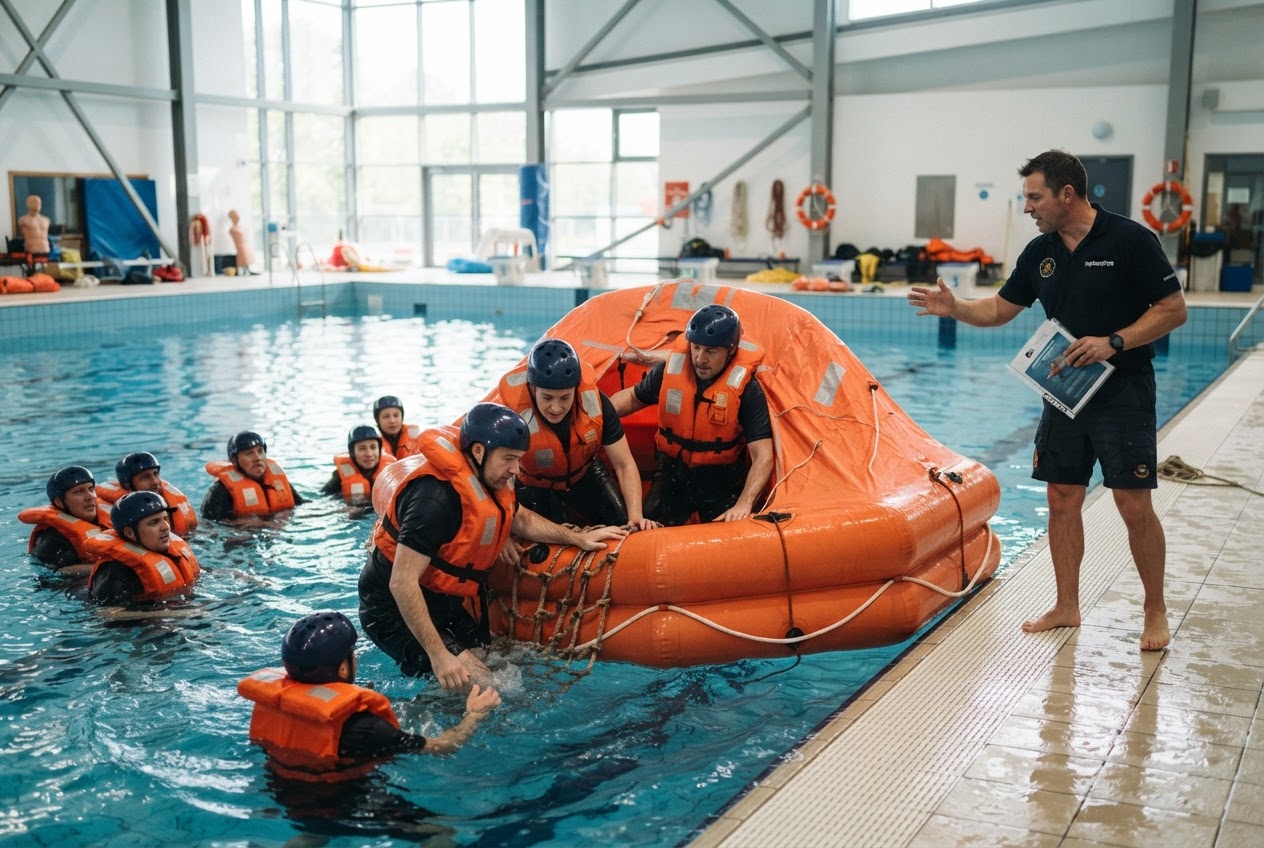
A small table with the certificate, issue date and expiry date. Put STCW Basic Safety Training (including Proficiency in Security Awareness) and your ENG1 or equivalent seafarer medical first. Then add anything that helps your department: a powerboat or tender licence and VHF for deck, food hygiene, wine or interior training for interior, first aid or diving for either. Expiry dates matter: a captain wants to see at a glance that you can join now.
6. Relevant experience
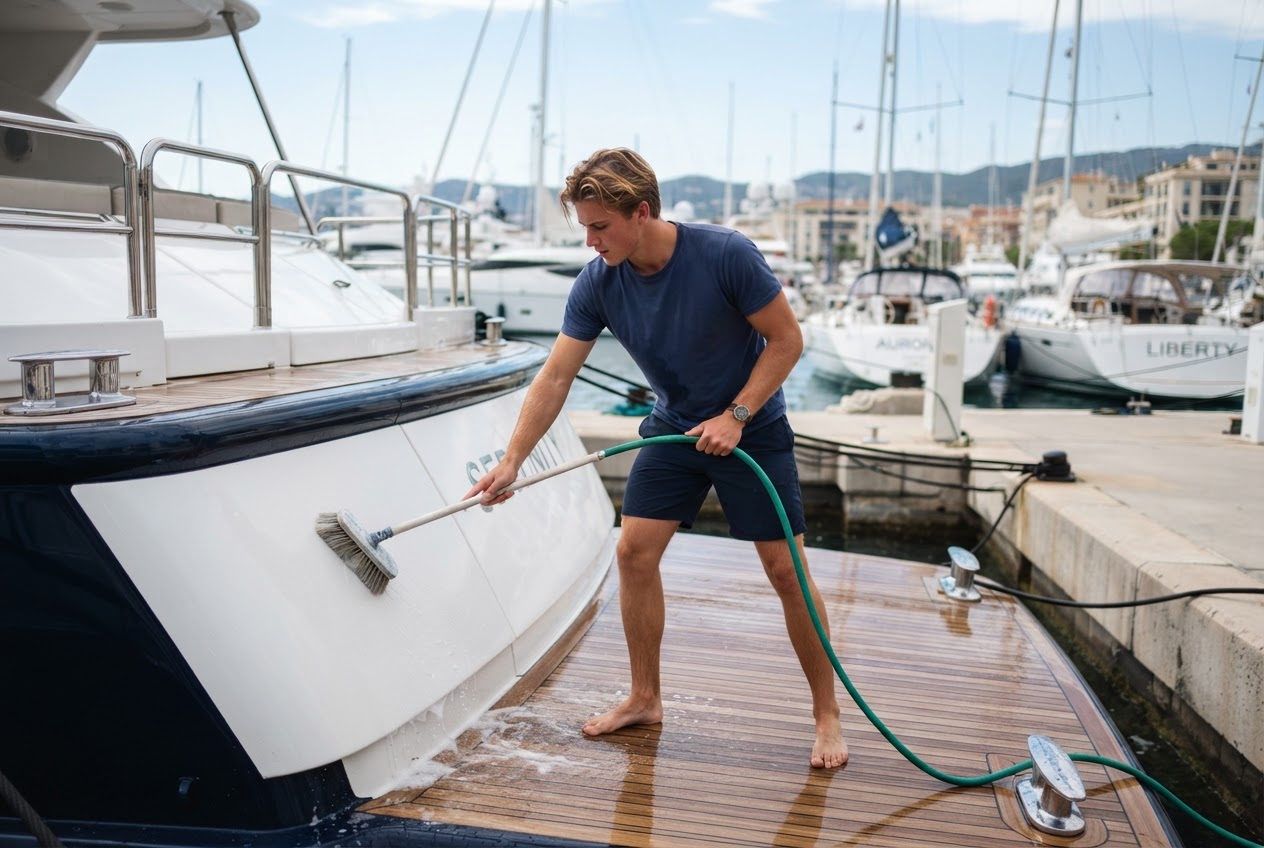
List the most relevant jobs first, not simply the most recent. For each one give the role, the employer and location, the dates, and two or three bullet points written as results rather than duties. “Served fine dining and private events for up to 80 guests to a five-star standard” says far more than “Waited tables”. If you have done daywork, put it at the top, naming the yacht and its length.
Experience that transfers well:
- For deck: watersports instruction, boat or marina work, carpentry, painting, landscaping, mechanics, lifeguarding
- For interior: hotels, fine dining, bars, housekeeping, events, nannying, luxury retail
7. Skills and interests
Five or six specific skills that matter on board, then one line of interests. Interests are not filler on a yacht CV: they tell the captain what you will be like on a day off. Fitness, watersports, cooking or flower arranging all say something useful. “Socialising and travel” says nothing.
8. References
Two or three names with their role and a phone number and email. Ask them first, and make sure they will answer. Captains do call, and a reference who cannot be reached is almost as bad as none. Written references from previous yachts or managers can go in your document folder to send on request.
Formatting rules
- One page if you can, two at most. Green crew rarely need two.
- A clean, simple layout with one accent colour. No graphics, skill bars or icons.
- Save and send it as a PDF named Firstname-Lastname-Role-CV.pdf, so the photo and layout do not move.
- Print 30 or more copies on good paper if you plan to dockwalk.
Common mistakes that get CVs ignored
- Applying for “any position”: pick deck or interior.
- A casual or cropped photo, or no photo at all.
- Missing certificates or expiry dates.
- Long paragraphs that describe duties instead of results.
- A generic email sent to every yacht with the CV attached and nothing else.
- Public social media that does not match the professional person on the page.
Frequently asked questions
Should I put my age on a yacht CV?
Yes. Date of birth is a standard part of a yacht CV, along with nationality and visas, because they affect where and how you can be employed on board.
What if I have no yacht experience at all?
Lead with your certificates and your most relevant land-based experience, and say clearly that you are available for daywork. Our guide to getting a job on a yacht with no experience walks through the full process.
Do I need a cover letter?
Not a formal letter, but always a short personal email: the role, the yacht by name, how you meet the requirements and when you can join. Two or three short paragraphs are enough.
Want this layout ready to fill in? Our Yacht Job Application Kit includes yacht CV templates for deckhands and stewardesses in this exact format, plus email scripts for captains and crew agents, interview questions and a four-week job hunt plan. Prefer to start free? Grab our Dockwalking Checklist.

Leave a Reply